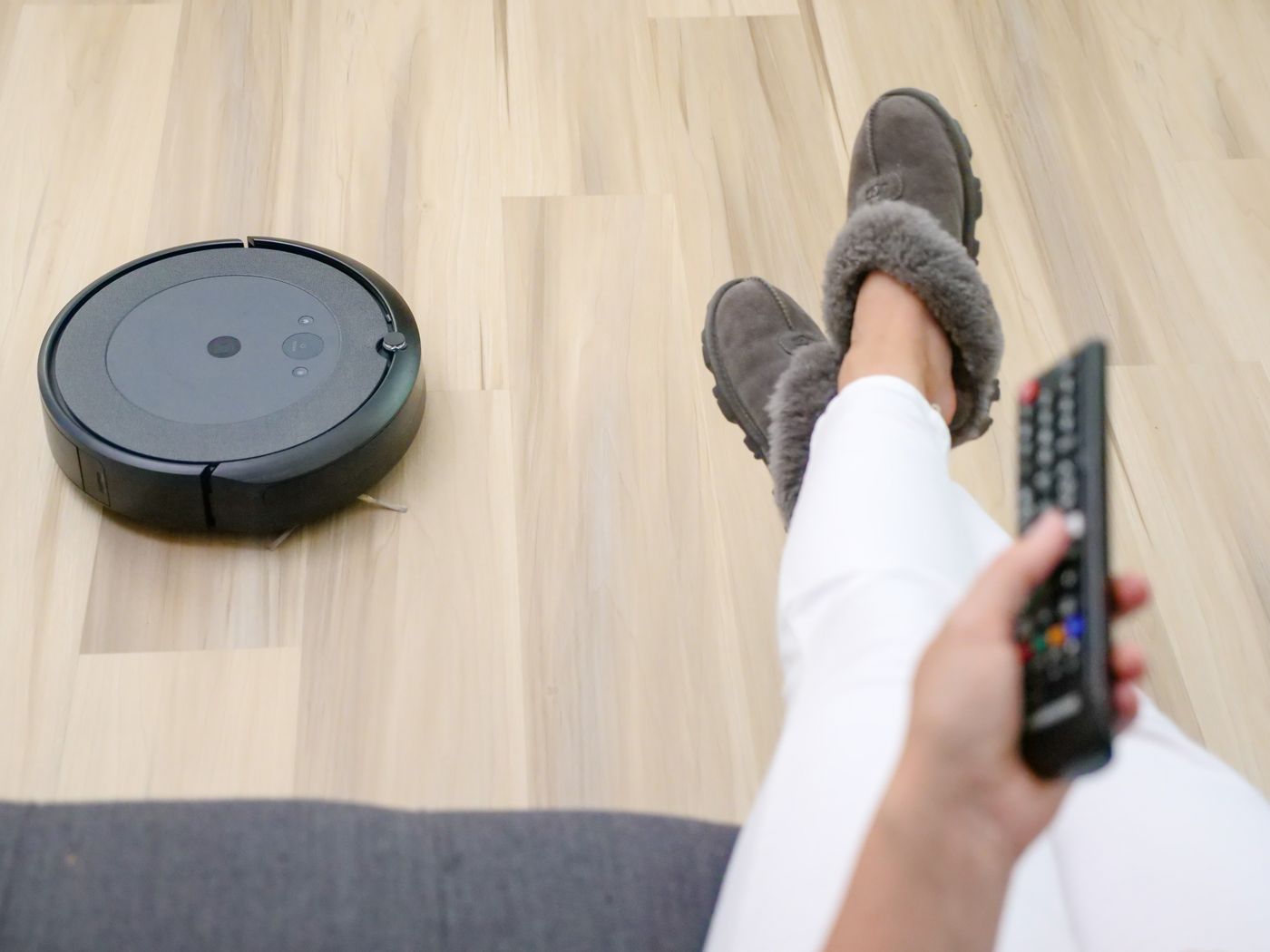
In a smaller home, navigation and easy maintenance matter more than a huge dust bin or an elaborate dock.
Map the rooms you actually use
Reliable room mapping lets you send the robot to the kitchen or living room without cleaning the entire floor. Look for no-go zones and room naming in the app.
Think about thresholds and furniture
Measure the clearance under sofas and cabinets. Check the height of door thresholds and decide whether the robot can cross them. A low profile can be more useful than maximum suction.
Vacuum first, mop second
Mopping can be convenient on sealed hard floors, but it adds maintenance. If you have rugs, choose a model that can avoid carpets while the mop is attached or lift the mop pad.
Maintenance is part of ownership
Brushes collect hair, filters need cleaning, and mop pads need washing. A model with inexpensive, available consumables is easier to keep running.
Bottom line
For a small home, choose dependable mapping, a compact dock, and easy-to-source replacement parts. These details shape everyday satisfaction more than headline suction numbers.
Maintenance decides whether it earns its place
Check brush access, replacement-part prices, dock clearance, and whether the app schedules rooms. Measure furniture clearance and thresholds before choosing by suction. In a small home, a compact dock and reliable mapping can be more useful than a large dust bin.
| Factor | Check | Question |
|---|---|---|
| Navigation | Maps and no-go zones | Can it avoid protected areas? |
| Clearance | Height and thresholds | Will it reach under furniture? |
| Upkeep | Brushes and filters | Are parts easy to find? |
FAQ
A self-emptying dock is optional, and a robot is a maintenance tool—not a replacement for stairs, corners, or deep cleaning.
Bottom line: prioritize navigation, clearance, and easy maintenance.